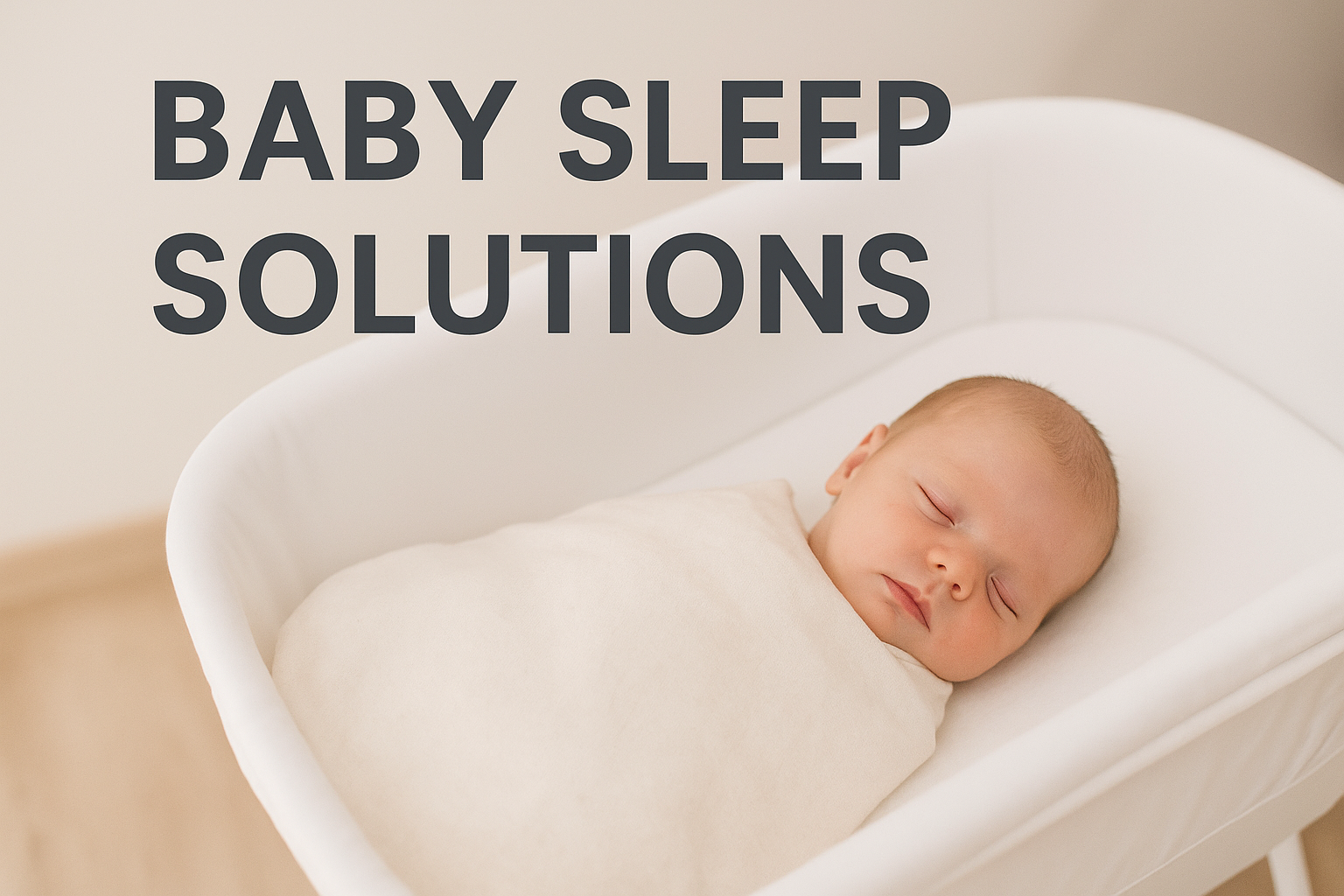
Baby Sleep Solutions: The Ultimate Guide for New Parents
Few things are as exhausting for new parents as sleepless nights. When your baby struggles to sleep, everything feels harder. You feel tired, confused and often worried that something is wrong.
The good news is this: most baby sleep problems are normal. And with the right routines and habits, you can gently guide your baby toward better sleep.
This guide will walk you through proven, safe and realistic baby sleep solutions that actually work.
Why Baby Sleep Is So Difficult at First
Newborns are not born with a natural sleep rhythm. In the womb, babies sleep and wake randomly, and after birth their bodies need time to understand the difference between day and night.
Common reasons babies struggle with sleep include:
• Hunger
• Gas and discomfort
• Dirty diapers
• Growth spurts
• Overstimulation
• Immature nervous system
None of this means you are doing something wrong. It is part of natural development.
Common Baby Sleep Struggles (Explained Simply)
Many parents worry when their baby doesn’t sleep “normally.” The truth is, most sleep struggles are part of healthy development. Understanding what’s happening makes it much easier to stay calm and respond the right way.
1. Baby Wakes Up Every Hour
This usually happens because babies have very short sleep cycles. Unlike adults, they move from light sleep to deep sleep very quickly. When they reach light sleep, they may wake up and look for comfort.
This is normal in newborns and gets better with time.
2. Day-Night Confusion
Some babies sleep longer during the day and stay awake at night. This happens because their internal clock is not developed yet.
You can slowly fix this by:
• Keeping the room bright during daytime naps
• Making night-time calm and quiet
It usually improves after a few weeks.
3. Overstimulation Before Bed
Babies can get easily overwhelmed by lights, noise and people. When they are overtired, their body releases stress hormones, which makes it harder to fall asleep.
A calm, quiet routine before bedtime helps prevent this.
4. Gas Discomfort
Many babies struggle with gas, especially in the first 3 months. Trapped gas can make them cry, arch their back or wake suddenly.
Gentle burping, tummy massage and slow feeding often help.
5. Sleep Regression
Just when sleep starts improving, it sometimes gets worse again. This is called sleep regression. It happens when babies go through growth spurts or brain development jumps.
It is temporary. Your routine still matters.
6. Needing to Be Held to Sleep
Some babies fall asleep only when held or rocked. This is because they feel safe with body warmth and heartbeat.
You can slowly help your baby adjust by:
• Putting them down when they are sleepy but not fully asleep
• Staying nearby to comfort them.
How Much Sleep Does a Baby Need?
Babies sleep in short cycles and wake naturally to feed.
Here is a simple age-based guide:
• Newborns (0–3 months): 14–17 hours per day
• 3–6 months: 12–15 hours per day
• 6–12 months: 11–14 hours per day
Remember: these hours are spread across naps and night sleep.
Best Baby Sleep Solutions That Actually Work
1. Create a Simple Bedtime Routine
Babies feel safe when life is predictable.
A good bedtime routine can be:
Warm bath → Pyjamas → Gentle feeding → Soft cuddles → Lights dimmed → Bed
Do the same steps every night at the same time.
2. Teach Day and Night Difference
During daytime:
• Keep rooms bright
• Talk and play normally
• Do not whisper
At night:
• Use soft, warm light
• Keep noise low
• Avoid playtime
This trains your baby’s body clock.
3. Create a Sleep-Friendly Environment
A baby sleeps best when the room is:
• Quiet
• Dim
• Cool but comfortable
• Free from loud TV or phone sounds
A calm room tells your baby it is time to sleep.
4. Use Gentle White Noise
White noise sounds like soft rain or a fan. It helps block sudden noises and makes babies feel calm.
✔ Keep volume low
✔ Place it away from the crib
5. Watch Sleep Cues, Not the Clock
Yawning, rubbing eyes and fussiness are signs your baby is tired. Put your baby down before they become overtired.
How Dads Can Help With Baby Sleep
This is especially important for Papa’s Care readers.
Fathers play a huge role in sleep success. You can help by:
• Taking turns with night feeds
• Rocking and soothing the baby
• Changing diapers at night
• Supporting the baby’s mother emotionally
Your calm presence makes a powerful difference.

Mistakes That Make Baby Sleep Worse
Avoid these common traps:
• Keeping your baby awake too long
• Feeding too much right before sleep
• Too much stimulation before bedtime
• Picking up your baby immediately for every tiny noise
Learning the difference between real crying and light sleep noises takes time.
Safe Sleep Guidelines Every Parent Must Follow
Safety always comes first.
Always place your baby:
• On their back to sleep
• On a firm mattress
• Without pillows, blankets or soft toys
• In their own safe sleeping space
These reduce the risk of sleep-related accidents.
When to Worry About Baby Sleep
Contact a doctor if:
• Baby cries in pain regularly
• Baby refuses to feed
• Baby has trouble breathing
• Baby sleeps unusually little for their age
Trust your instincts.
Morning nap: 9:00 AM
Midday nap: 12:00 PM
Evening nap: 4:00 PM
Bedtime: 7:30–8:00 PM
This is just a guide. Every baby is different.
Final Thoughts: You’re Doing Better Than You Think
Baby sleep is not about perfection. It is about gentle consistency. Some nights will be hard. Some nights will feel magical.
You are not failing. You are learning.
And your baby is learning too.
More Helpful Articles:
- How to Get a Newborn to Sleep Through the Night
- Best Baby Sleep Schedule by Age
- Day vs Night Confusion in Babies
- Co-Sleeping vs Crib Sleeping: Which Is Safer?
- White Noise for Baby Sleep: Does It Really Work?
- How Dads Can Help With Baby Sleep Routine