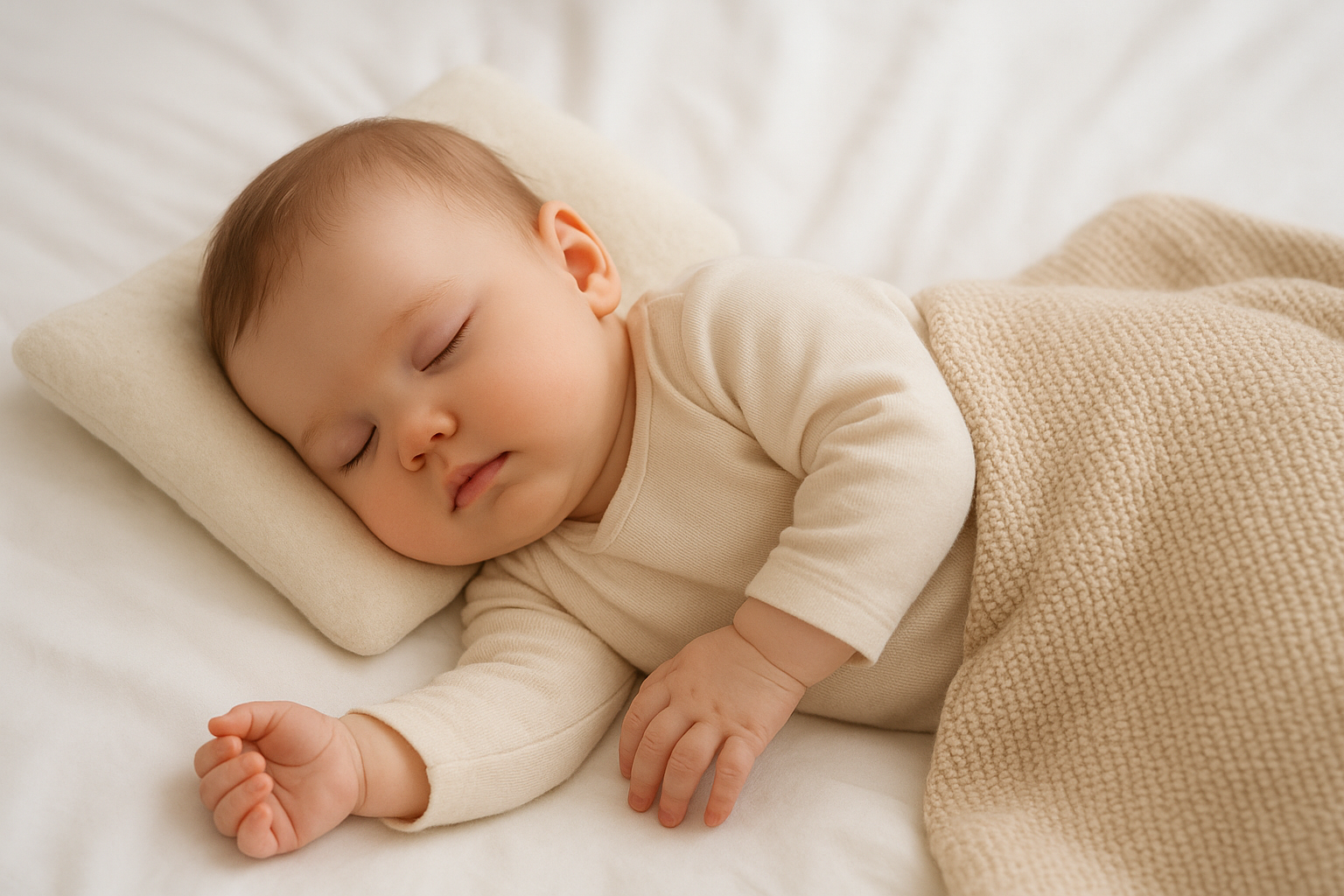
Baby Sleep Solutions: Practical Tips That Actually Work
Sleep is one of the biggest challenges for new parents. This guide gives you simple, realistic steps that help your baby sleep better and help you stay calm.

Understanding Baby Sleep
Babies don’t have a full internal body clock yet. They sleep in short cycles and wake up often. That’s normal.
Average Sleep Needs by Age
- Newborn: 14–17 hours
- 3–6 months: 12–15 hours
- 6–12 months: 12–14 hours
Don’t compare your baby with others. Every child develops differently.
Create a Simple Sleep Routine
Start small. Babies relax when they know what to expect.
Example Bedtime Routine
- Warm bath
- Soft pajamas
- Dim lights
- Light lullaby
- Short feed
- Place baby down sleepy but awake
This teaches your baby to fall asleep without depending on constant rocking.
Healthy Sleep Habits
Good habits make sleep easier for both parent and baby.
Room and Environment
- Keep the room cool and quiet
- Use a firm mattress
- Avoid pillows and stuffed toys in the crib
Calming Conditions
- No loud screens before bedtime
- Use white noise or a fan
- Try to keep a consistent bedtime
Common Sleep Problems and Solutions
Baby Wakes Up Too Often
Possible causes:
- Wet diaper
- Hunger
- Temperature discomfort
- Gas or digestive issues
Baby Fights Sleep
Overstimulation is a common reason.
Solution: Try calm activities like soft music or dim lights before bed.
Baby Sleeps Only When Held
Try the gradual release method:
- Hold until calm
- Place down gently
- Soothe with touch or voice
Night and Day Confusion
Solution:
- Expose the baby to sunlight during the day
- Keep nighttime dark and quiet
When to Get Medical Advice
Seek a doctor’s help if the baby:
- Snores heavily
- Shows breathing difficulty
- Sleeps excessively with low energy
- Has fever or discomfort
- Appears highly irritable or in pain
Always trust your instincts.
Final Thoughts
Good sleep takes practice, not perfection. A calm routine and consistency go a long way.