Toy Safety Checklist for Parents: 10 Essential Tips to Keep Playtime Safe.
Choosing toys for kids sounds simple, but safety is the first thing every parent should think about. A fun toy should never put a child at risk. This guide walks you through a complete toy safety checklist so you can shop with confidence and keep playtime safe at home.
Why Toy Safety Matters
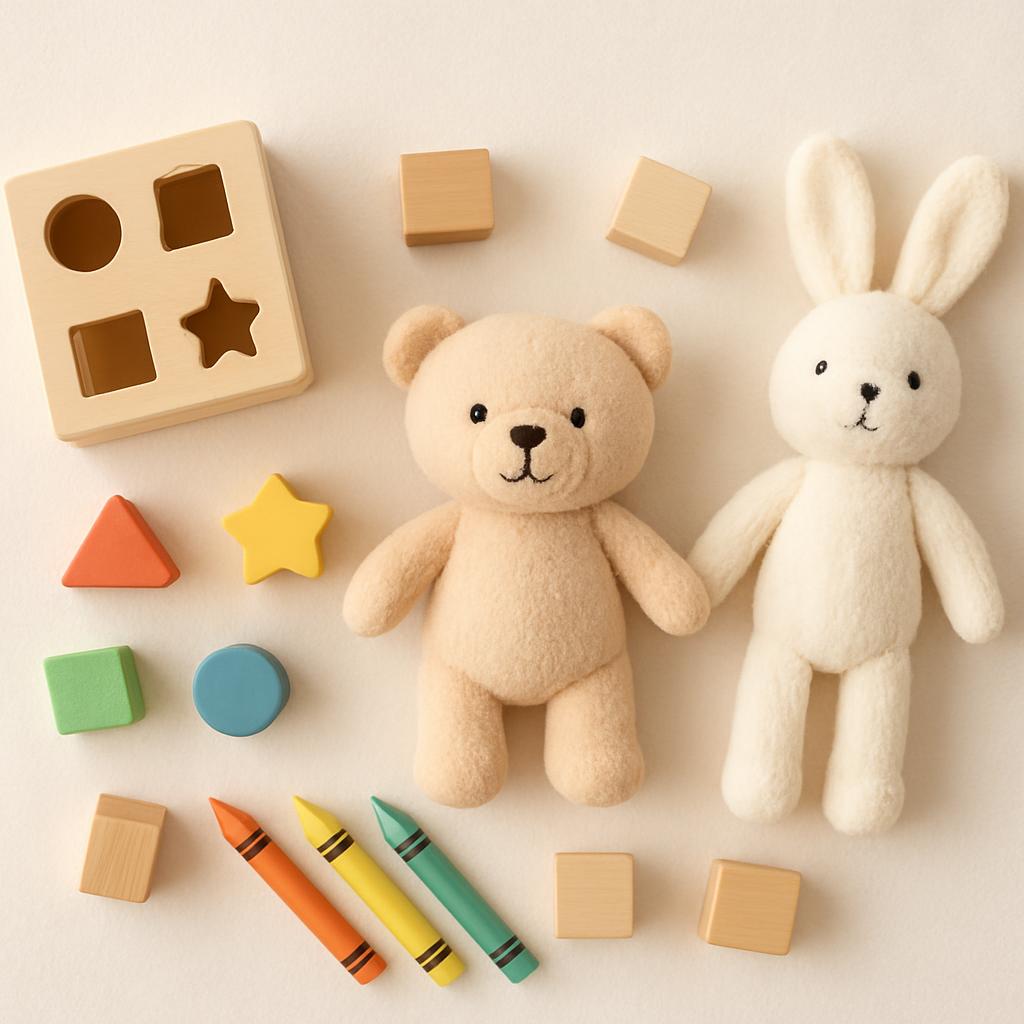
Kids explore the world through touch, taste and curiosity. That means unsafe toys can lead to choking, cuts, swallowed batteries or even long-term harm. A few minutes of checking can prevent a serious accident.
The good news is you don’t need to be an expert. You just need to know what to look for.
Basic Toy Safety Rules Every Parent Should Know
1. Check the Recommended Age
The age label on toy packages exists for a reason. It’s based on:
- The size of the toy
- The complexity of parts
- Potential choking risks
- Child development levels
Avoid giving small toys to children under 3. If it fits inside a toilet paper roll, it’s too small.
2. Look for Strong Build Quality
A safe toy should not break easily. Before buying:
- Gently twist or pull small parts
- Check if the wheels, buttons or accessories feel solid
- Avoid thin plastic that cracks easily
Broken pieces can injure children quickly.
3. Avoid Toys With Sharp Edges
Run your fingers along the toy’s surface.
If the edges feel:
- Rough
- Pointy
- Sharp
Skip it.
Young children fall while playing. A sharp toy can hurt their face or hands.
4. Keep an Eye on Small Parts
Toys with small detachable parts, such as beads, marbles or tiny food items, are dangerous for toddlers.
If it can be swallowed, it’s not safe for your little one.
5. Check for Harmful Chemicals
Some low-quality toys contain chemicals like lead or BPA.
Safe toys usually have:
- Non-toxic labels
- BPA-free signs
- ASTM / EN71 certification
If the toy smells strongly like chemicals, avoid it.
Electrical and Battery-Powered Toys
1. Avoid Exposed Wires
All wiring should be:
- Covered
- Hidden
- Firmly attached
Loose wires are a shock hazard.
2. Watch Out for Button Batteries
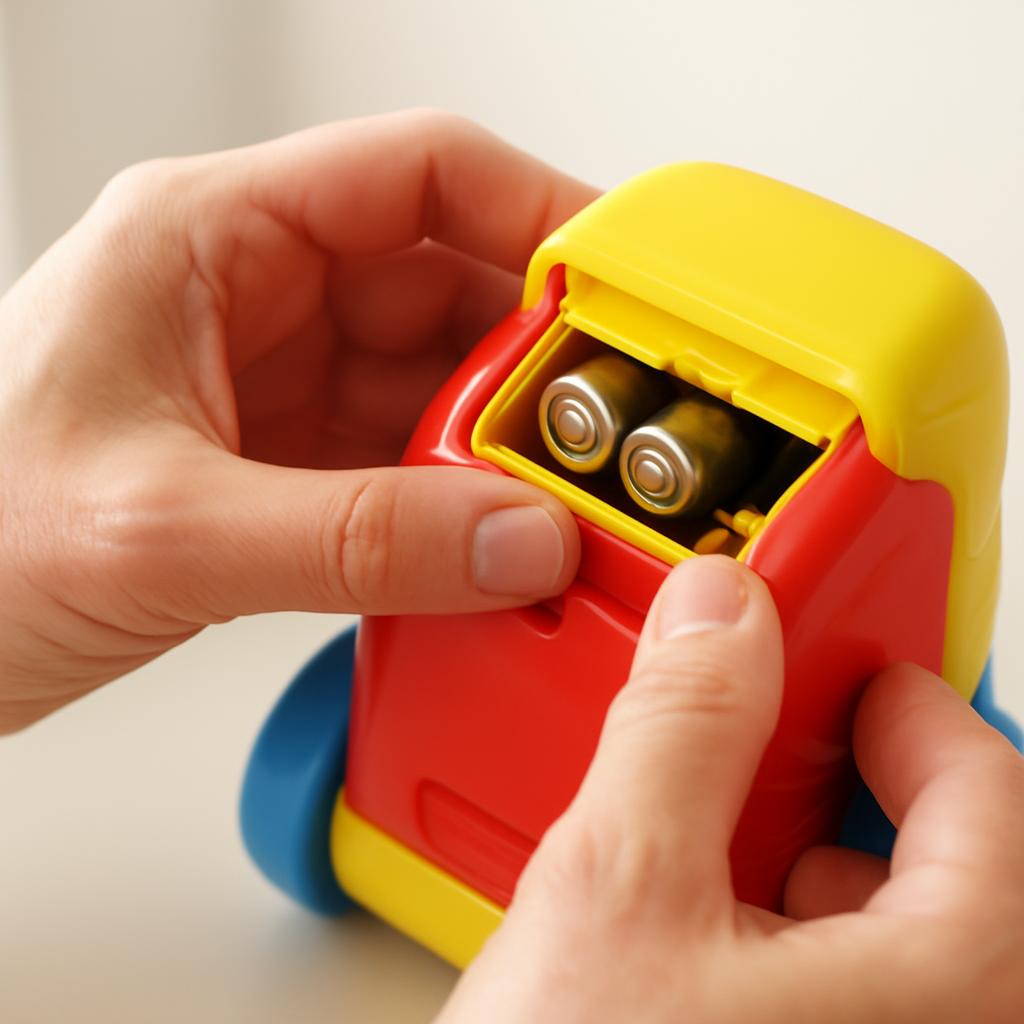
These small flat batteries can cause severe internal burns if swallowed.
Always check:
- Battery compartment must be screwed shut
- No loose pieces
- Child cannot open it
If the toy uses button batteries, supervise closely.
Soft Toys Safety Checklist
Stuffed toys look harmless but must be checked too.
1. Avoid Loose Buttons or Plastic Eyes
These can come off and become a choking risk.
2. Check Stitching
Strong stitches prevent the stuffing from coming out.
3. Washability
Look for washable materials to keep the toy clean and germ-free.
Outdoor Toy Safety
Outdoor toys often involve more movement and excitement.
Check these before letting your child play:
Strong and Stable Build
Swings, ride-on toys, scooters and slides must be solid and not wobble.
Smooth Surfaces
No rusty metal, peeling paint or sharp corners.
Safe Riding Gear
If the toy has wheels, your child should wear:
- Helmet
- Knee pads
- Elbow pads
How to Maintain Toy Safety at Home
1. Inspect Toys Regularly
Look for cracks, loose parts and worn-out sections.
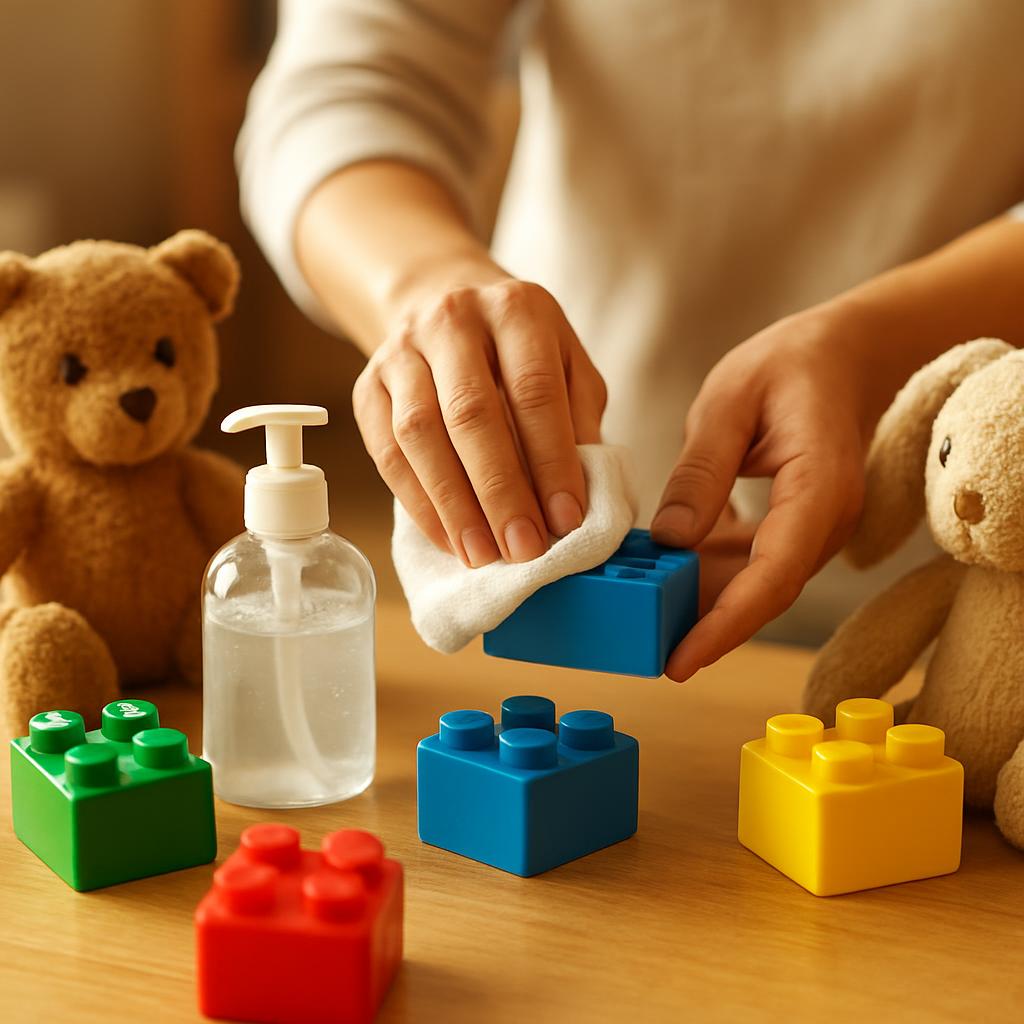
2. Clean Toys Often
Use:
- Soap and warm water
- Disinfecting wipes
- Mild cleaners
Avoid harsh chemicals on baby toys.
3. Teach Kids Basic Safety
Simple habits make a big difference:
- No running with toys
- Put toys back in the box
- Share gently
- Don’t put toys in their mouth
What to Avoid Completely
Here are toys to skip for young kids:
- Toys with tiny magnets
- Balloons (choking risk)
- Toys with long strings or cords
- Toys with loud noise (can damage hearing)
- Cheap toy guns with hard bullets
If something feels unsafe, trust your instinct.
Final Thoughts
Safe toys support learning, confidence and happy playtime. Taking a few minutes to inspect a toy can protect your child from preventable accidents. Keep this checklist in mind whenever you buy a new toy or gift.
Your child deserves fun and safety together — and you deserve peace of mind.